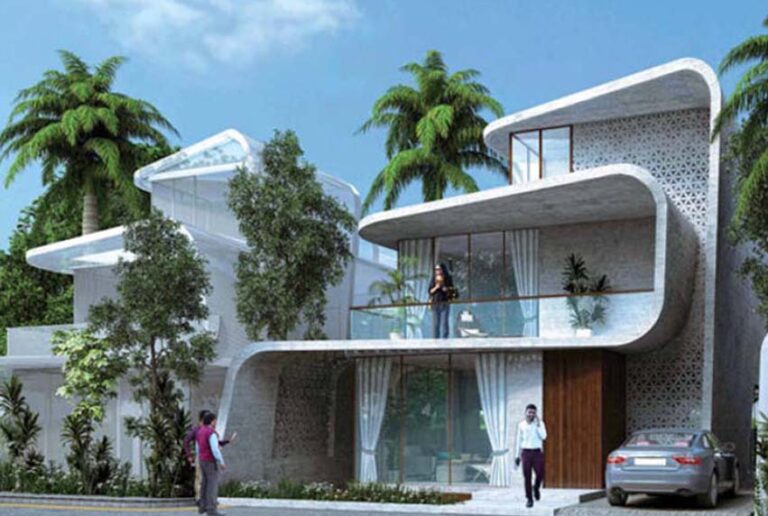

Why Township Living Is Becoming the Preferred Choice for Modern Homebuyers
Buying a home is more than a financial decision—it is a choice about the kind of life you want to build. For many buyers today, that decision goes beyond four walls and focuses on the environment surrounding the home. Imagine living in a place where everyday needs, open spaces, safety, and community are thoughtfully woven together. This is where townships come into the picture.
Townships are carefully planned residential ecosystems designed to offer convenience, comfort, and balance. Instead of isolated buildings, they bring together homes, green areas, social spaces, and essential services into one integrated neighbourhood. Let’s explore why township living is increasingly seen as a smarter and more fulfilling housing choice.
Also Read: Premium Residential Township in Indore
The Township Advantage
A Complete and Balanced Lifestyle
Townships are designed with a long-term vision of everyday living. Residential spaces are supported by commercial zones, schools, healthcare facilities, recreational areas, and daily convenience outlets. This integrated planning reduces dependence on long commutes and allows residents to spend more time within their community. The result is a lifestyle that feels organised, efficient, and less rushed.
Strong Sense of Community and Safety
One of the defining features of township living is the emphasis on safety and social connection. Gated layouts, controlled access points, and round-the-clock security create a secure environment for residents of all ages. Shared spaces such as parks, walking tracks, and clubhouses naturally encourage interaction, helping neighbours connect and build a sense of belonging over time.
Planned Infrastructure and Everyday Amenities
Townships benefit from structured infrastructure planning. Well-laid internal roads, reliable water and power systems, organised drainage, and thoughtfully placed amenities contribute to smoother day-to-day living. From children’s play areas and landscaped gardens to shopping zones and healthcare facilities, everything is designed to be accessible and functional, enhancing overall quality of life.
Also Read: Essential Amenities That Define a Well-Planned Residential Society
Long-Term Property Value Growth
Homes within well-planned townships often show consistent value appreciation. The presence of organised infrastructure, controlled development, and sustained demand makes such properties resilient over time. As townships mature and become established residential destinations, they tend to attract both end-users and long-term buyers, supporting steady growth in property value.
Focus on Sustainable Living
Modern townships increasingly incorporate environmentally responsible practices. Green open spaces, rainwater harvesting systems, energy-efficient lighting, and waste management solutions contribute to a healthier living environment. These measures not only reduce environmental impact but also improve everyday living conditions for residents.
Investment Considerations in Township Developments
Quality Planning and Lifestyle Appeal
Townships set benchmarks for structured living by combining thoughtful design with practical amenities. Spacious layouts, landscaped surroundings, and community-focused planning enhance the overall living experience. Such developments appeal to buyers who prioritise lifestyle quality along with long-term stability.
Potential for Consistent Returns
From an investment perspective, township homes often benefit from sustained demand due to their comprehensive planning and livability. As infrastructure develops and occupancy increases, these communities tend to gain stronger market recognition, supporting long-term value appreciation.
Amenities That Support Modern Living
Townships are designed to accommodate evolving lifestyle needs. Fitness spaces, recreational facilities, social zones, and wellness-oriented amenities contribute to a balanced routine. Access to such features within the residential environment adds to the desirability and functional value of the property.
Strategic Location Advantages
Most townships are planned with connectivity in mind. Proximity to major roads, employment hubs, educational institutions, and transport networks enhances daily convenience. Strategic location planning also plays a role in strengthening long-term property prospects.
Trust and Development Credibility
Township developments are often backed by experienced developers with a focus on compliance, planning, and execution. A credible development history adds confidence for buyers, as it reflects consistency, quality standards, and long-term project viability.
In Conclusion
Choosing a property today is about more than just square footage or price—it is about long-term relevance, location strength, and regulatory assurance. Developments that combine thoughtful planning with transparency tend to stand the test of time, offering both functional value and confidence to buyers.
In Indore’s evolving commercial landscape, Shekhar Unity reflects these qualities well. With its RERA registration, strategic placement at Rajiv Gandhi Circle on Main A.B. Road, and a design approach aligned with modern business needs, the project represents a dependable commercial address for professionals and enterprises alike.
As real estate decisions become increasingly informed and future-focused, opting for developments that prioritise compliance, connectivity, and clarity ensures that your investment supports both present requirements and long-term stability.
FAQs about Township Living in Indore
1. How is a township different from a standalone residential building?
A township is a large-scale, integrated development that combines residential units with essential services, green spaces, and social infrastructure. Unlike standalone buildings, it is planned as a self-contained ecosystem. This structured approach enhances convenience, accessibility, and long-term livability.
2. Are township properties suitable for long-term family living?
Yes, townships are often designed with long-term occupancy in mind. The presence of open spaces, security systems, community zones, and everyday convenience outlets makes them practical for families. Their structured layout supports evolving lifestyle needs over time.
3. Do township developments offer better infrastructure reliability?
Townships typically include planned internal roads, drainage systems, water supply management, and organised electrical infrastructure. Because these elements are designed cohesively from the start, they often function more efficiently than fragmented urban layouts. This improves everyday comfort and reduces logistical challenges.
4. Is buying in a township a good investment decision?
Well-planned townships often attract consistent demand due to their organised structure and lifestyle appeal. As occupancy increases and surrounding infrastructure develops, property values tend to stabilise and grow steadily. However, buyers should still evaluate location, developer credibility, and long-term growth prospects.
5. Why is developer credibility important in township projects?
Townships are large, multi-phase developments that require systematic planning and regulatory compliance. A developer with a reliable track record reduces the risk of delays or execution gaps. Trust and transparency play a significant role in ensuring long-term project sustainability.